

Plastic Components for Solar Tracking Systems
Wear-Resistant Plastic Parts Built for Decades Outdoors
Request A Quote1-800-321-0084
Trusted Plastic Components For Solar Tracking Systems
Solar tracking systems move constantly, endure rain, wind and snow in every season, and are expected to perform for 20 to 30 years with almost no maintenance. That puts real pressure on the bushings, bearings, and wear components that keep a tracker in motion. For decades, DPI has worked with OEMs, engineers, and maintenance teams to develop plastic components that hold up in some of the harshest outdoor environments a part can face.
Key Advantages of Plastics in Solar Applications
- Wear Resistant
- Self-Lubricating
- UV and Weather Resistant
- Corrosion Free
- Lighter Weight
- Dimensionally Accurate at Production Volumes
Benefits Of Plastic vs. Metal For Solar Tracking Applications
In solar tracking applications, DPI’s engineered plastic components offer a range of advantages over traditional metal parts, particularly in bushings, bearings, and other components that move continuously and sit outdoors for the life of the system.
Unlike machined UHMW parts, injection molded UHMW-PE opens up more complex geometries, tighter manufacturing consistency, and lower costs at volume which are a strong fit for tracker bushings, bearings, and other wear components. We have plastic solutions for the solar industry and can also source replacement parts for equipment already in the field.

How To Choose The Right Plastic Material For Solar Tracking Equipment Parts
The right material for a solar tracking application depends on the operating environment. UV exposure, temperature swings, moisture, and constant motion all factor into the plastics materials solution we use. UHMW-PE is a common choice for tracker bushings, bearings, and wear components because of its wear resistance and weatherability, though other materials like HDPE and nylon are also commonly specified for outdoor, moving-part applications depending on load and tolerance requirements. You can view the plastics materials DPI engineers work with here.
DPI’s engineers evaluate each solar tracking application individually. We weigh exposure, motion, and duty cycle before recommending a material. That process ensures longevity, separating a part that lasts the life of the system from one that needs replacing every few seasons.
Once the material is right, DPI manufactures to the tolerances and geometry a tracking application demands, whether that means injection molding, CNC machining, or a combination of processes. Custom sizes and configurations are available for OEM and aftermarket tracker components.
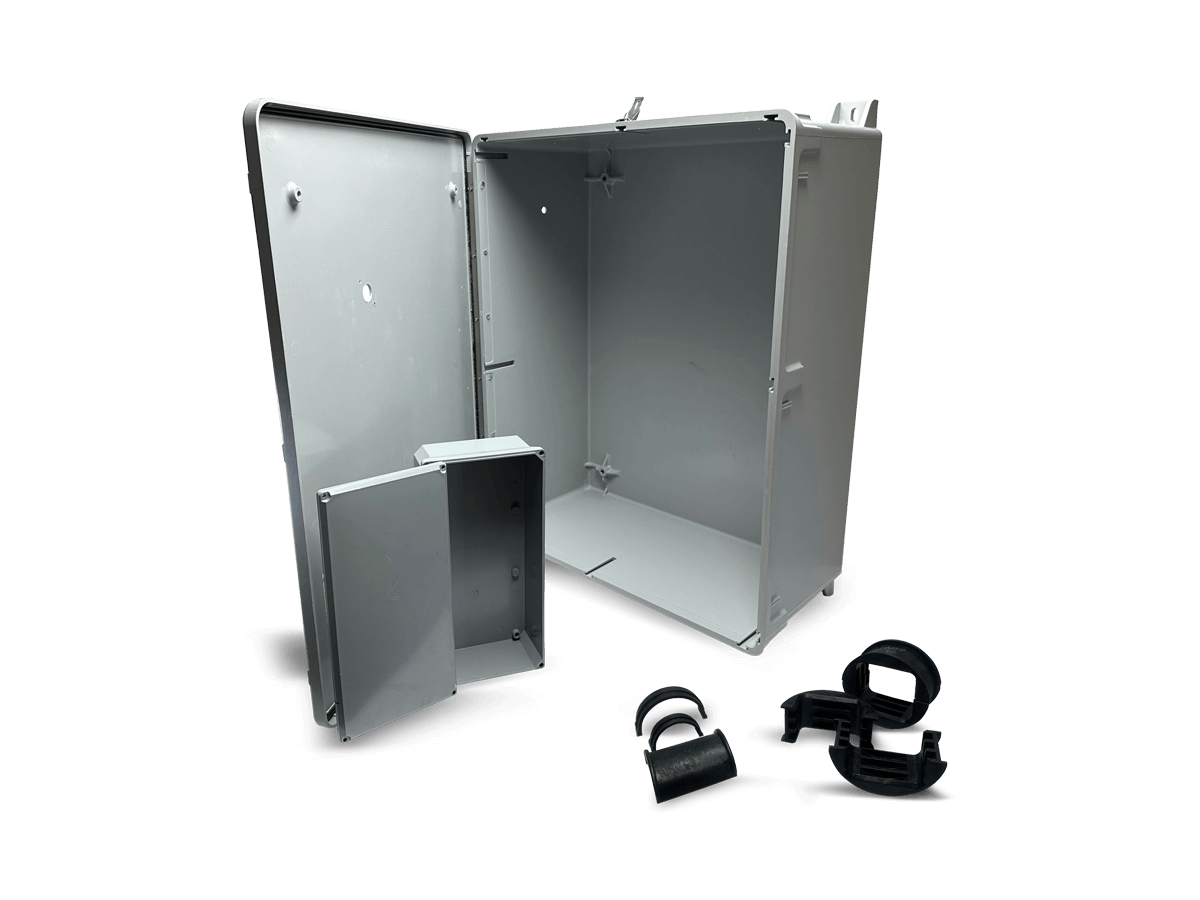
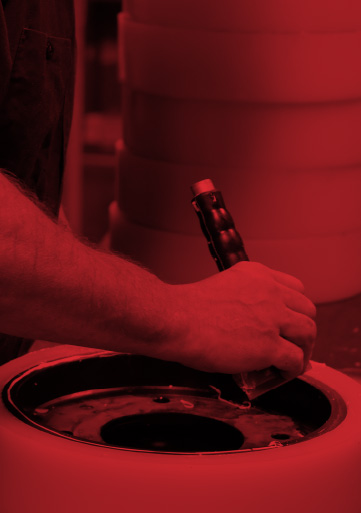
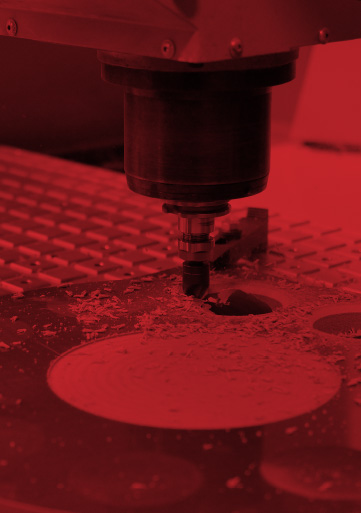
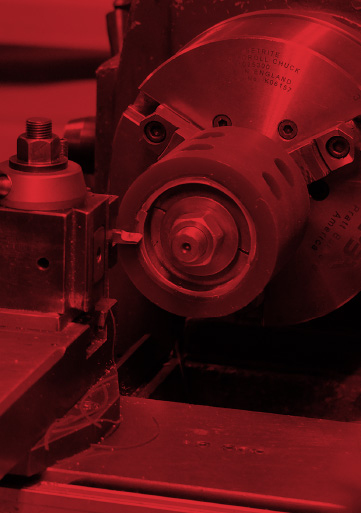
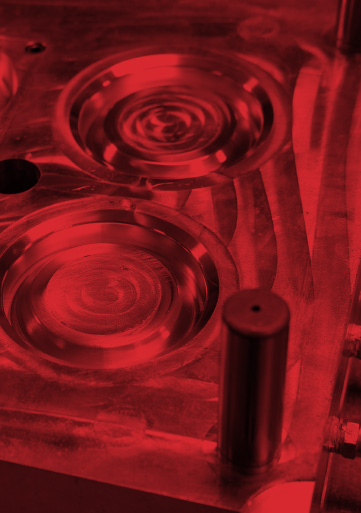
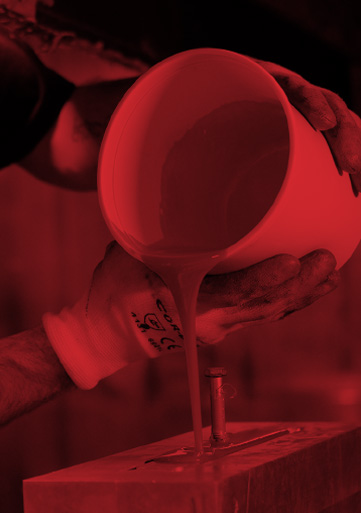
Solar tracking parts often need more than one manufacturing process to hit the tolerances and geometry the application calls for. DPI’s MultiFab™ approach combines injection molding, CNC machining, and cast urethane manufacturing under one roof, so a tracker component that needs more than a single process doesn’t have to move between vendors to get built. DPI does it all under one roof.
That range lets DPI take a solar tracking part from early engineering conversations through full production without losing time to hand-offs, and adjust the approach mid-project if testing points to a better path.
FAQs
Plastic components like UHMW-PE resist corrosion, don’t need lubrication, and hold up to constant motion and UV exposure without the weight or rust risk of metal parts.
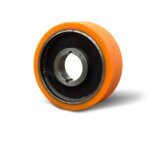
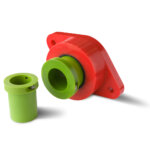
DPI manufactures bushings, bearings, track wheels, wear strips, and other wear components used in solar tracking systems.
Injection molded UHMW-PE is designed to resist UV degradation and long-term outdoor exposure without breaking down, which is why it’s a common material choice for parts expected to run for the life of a tracking system.
Injection molding allows more complex part geometries, tighter manufacturing consistency, and lower cost at production volumes compared to machining UHMW from stock.
Contact DPI For Solar Tracking Equipment Plastic Parts Expertise
Solar tracking projects come with their own set of constraints, from tight tolerances on moving parts to materials that need to hold up outdoors for decades. From initial engineering conversations through full production runs, DPI’s team meets the challenges of the solar industry so parts that come off the line are built for the application you demand.
Reach out to discuss a new tracker component, a metal-to-plastic conversion, or a part that’s wearing out faster than it should.
Need Support?
When you know what you are looking for or want to start with an idea, we are ready to help. Please reach out and we will start you on your path to plastic solution success!